
Expert Tips for Planning Your Perfect Event
Updated: Mar 20
Planning an event can be both exciting and overwhelming. Whether you are organizing a wedding, a birthday party, or a corporate gathering, the key to a successful event lies in the details. With careful planning and execution, you can create an unforgettable experience for your guests. Here are some expert tips to help you plan your perfect event.
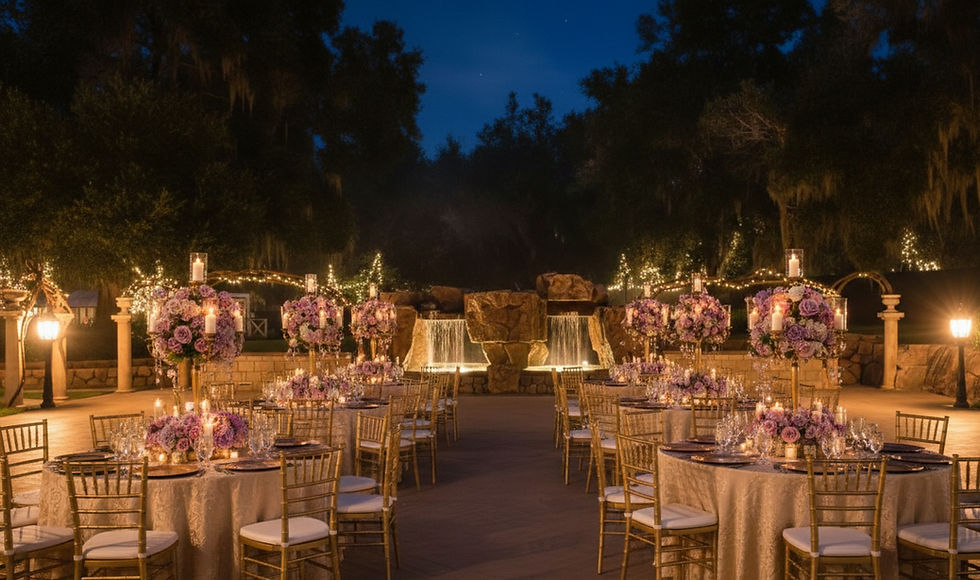
Define Your Purpose and Goals
Before diving into the logistics, take a moment to define the purpose of your event. Ask yourself:
What is the main objective of the event?
Who is your target audience?
What message do you want to convey?
Understanding the purpose will guide your decisions throughout the planning process. For example, if you are hosting a charity event, your focus might be on raising funds and awareness, while a wedding will center around celebrating love and unity.
Set a Budget
Creating a budget is essential for any event. It helps you allocate resources effectively and avoid overspending. Here are some steps to consider:
List all potential expenses: Include venue rental, catering, decorations, entertainment, and any additional costs.
Prioritize your spending: Determine which aspects of the event are most important to you and allocate more funds to those areas.
Leave room for unexpected costs: Set aside a portion of your budget for unforeseen expenses that may arise.
By establishing a clear budget, you can make informed decisions and ensure that your event remains financially viable.
Choose the Right Venue
The venue sets the tone for your event, so selecting the right location is crucial. Consider the following factors:
Capacity: Ensure the venue can comfortably accommodate your guest list.
Accessibility: Choose a location that is easy for guests to reach, with ample parking or public transport options.
Ambiance: The venue should align with the theme and purpose of your event. For example, a rustic barn may be perfect for a country wedding, while a sleek modern space suits a corporate event.
Visit potential venues in person to get a feel for the space and ask about any restrictions or requirements they may have.
Create a Detailed Timeline
A well-structured timeline is vital for keeping your event on track. Start by outlining key milestones, such as:
Booking the venue
Finalizing the guest list
Sending invitations
Confirming vendors
Break down each milestone into smaller tasks and assign deadlines. This will help you stay organized and ensure that nothing falls through the cracks.
Select Your Vendors Wisely
Choosing the right vendors can make or break your event. Here are some tips for selecting reliable partners:
Research and reviews: Look for vendors with positive reviews and a strong portfolio. Ask for recommendations from friends or colleagues who have hosted similar events.
Interviews: Meet with potential vendors to discuss your vision and gauge their enthusiasm for your event.
Contracts: Always get everything in writing. Ensure that contracts outline services, costs, and cancellation policies to avoid misunderstandings later.
Plan the Guest Experience
Creating a memorable experience for your guests should be a top priority. Consider the following elements:
Invitations: Design invitations that reflect the theme of your event. Make sure to include all necessary details, such as date, time, location, and RSVP information.
Seating arrangements: Think about how guests will interact with one another. Group people with common interests or connections to foster conversation.
Entertainment: Choose entertainment that aligns with your event's purpose. For example, a live band may be perfect for a wedding, while a keynote speaker might suit a corporate event.
Pay Attention to Details

The little things can have a significant impact on the overall experience. Here are some details to consider:
Decorations: Choose decor that complements your theme and enhances the venue. Consider centerpieces, lighting, and table settings.
Food and beverages: Offer a menu that caters to various dietary preferences. Consider including vegetarian, vegan, and gluten-free options.
Signage: Clear signage can help guide guests throughout the venue. Use signs to indicate restrooms, food stations, and other important areas.
Prepare for the Unexpected
No matter how well you plan, unexpected challenges may arise. Here are some strategies to handle potential issues:
Have a backup plan: If your event is outdoors, consider an indoor alternative in case of bad weather.
Designate a point person: Choose someone to handle any issues that may arise during the event. This allows you to focus on enjoying the occasion.
Stay calm: If something goes wrong, take a deep breath and address the issue calmly. Your demeanor will set the tone for your guests.
Follow Up After the Event
Once your event is over, take the time to follow up with guests and vendors. Here are some steps to consider:
Thank-you notes: Send personalized thank-you notes to guests and vendors who contributed to the success of your event.
Feedback: Ask for feedback from attendees to learn what worked well and what could be improved for future events.
Reflect: Take some time to reflect on the planning process and the event itself. Consider what you enjoyed and what you would do differently next time.
Conclusion

Planning your perfect event requires careful thought and attention to detail. By defining your goals, setting a budget, and selecting the right venue and vendors, you can create an unforgettable experience for your guests. Remember to stay organized, be flexible, and focus on the little details that make a big difference. With these expert tips, you are well on your way to hosting a successful event that leaves a lasting impression.
Now that you have these insights, it's time to start planning your next event!


Comments